
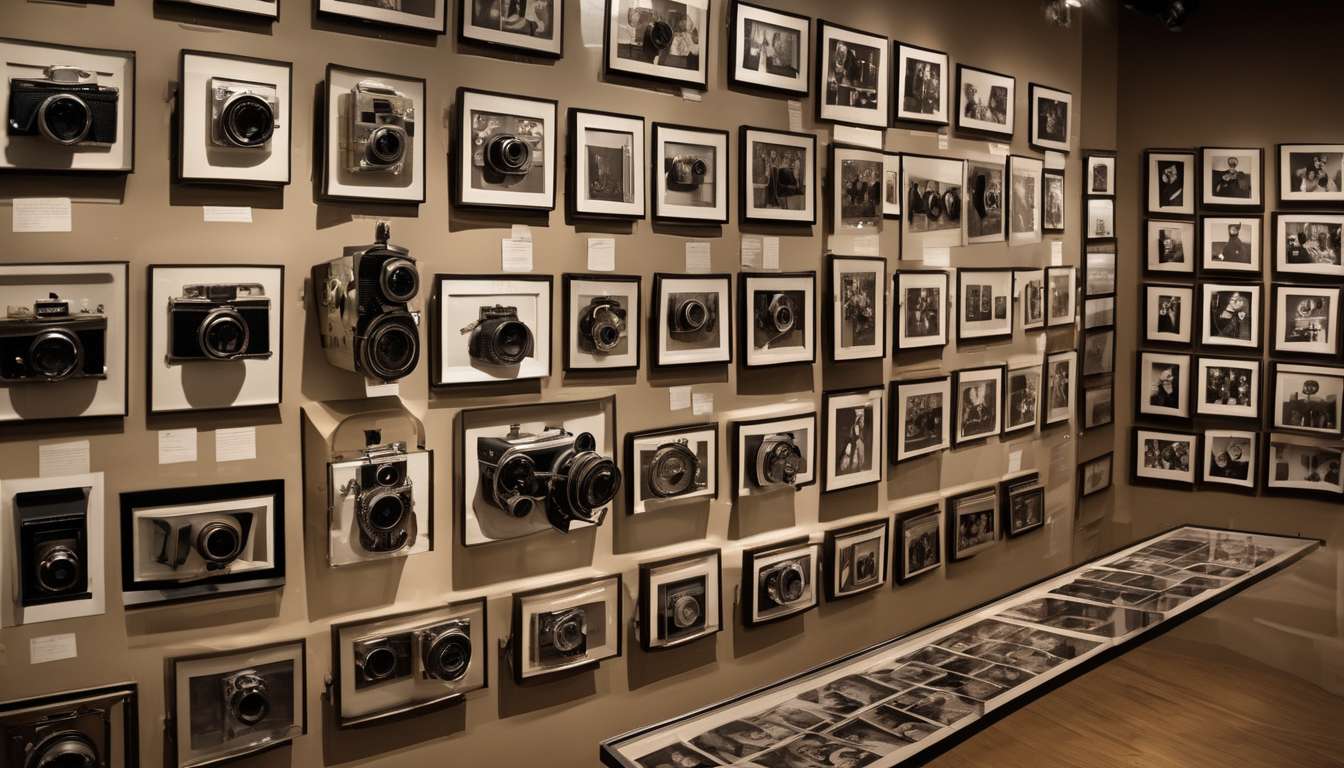
Every year, museums worldwide accession thousands of photographs, yet less than 2% of those labeled “adult” are displayed or contextualized for public study.
Adult photography — erotic portraits, commercial imagery, and private visual culture — constitutes a neglected but vital archive of social values, gender dynamics, and technological change.
Curators, historians, and communities reassess these works by addressing several interrelated tasks:
-
Conserving fragile prints
- Stabilizing materials, controlling environment, and digitizing vulnerable items.
-
Negotiating legal and ethical boundaries
- Determining provenance, assessing consent, and complying with obscenity and privacy laws.
-
Crafting exhibitions that move beyond titillation
- Designing shows to illuminate labor histories, censorship battles, and evolving standards of taste.
We examine how provenance and consent intersect, and how museums mediate between scholarship and public sensitivity.
Framing, captioning, and spatial design play key roles in transforming perception:
- Framing — contextual essays and thematic groupings that situate images historically and culturally.
- Captioning — clear, informative labels that address origins, makers, and contested meanings.
- Spatial design — gallery layout and sightline management that guide interpretation and audience comfort.
Our aim is not to sensationalize but to map the cultural and institutional processes that render adult photography legible as historical evidence, artistic expression, and a mirror for shifting moral landscapes.
Historical Context
We trace how adult photography emerged and evolved within changing social, legal, and technological landscapes.
We map early images’ circulation in private salons and underground networks, noting how shifting censorship laws and community norms reshaped what could be produced and shared.
We acknowledge that institutions hold responsibilities: museum ethics guide how we contextualize sensitive material, respect subjects and audiences, and balance scholarship with care.
As technologies moved from daguerreotype to digital, production and distribution widened, and that expansion forced new conversations around consent, representation, and stewardship.
We aim to belong with curious colleagues and the public by offering transparent frameworks for preservation and access that honor provenance and dignity.
We center collaboration with artists, historians, and communities affected by these materials, listening to diverse perspectives to avoid erasure.
By situating adult photography within broader cultural currents—legal battles, technological shifts, and social movements—we create a shared foundation for thoughtful collecting, interpretation, and public engagement.
Acquisition Challenges
We grapple with complex legal, ethical, and practical hurdles when acquiring sensitive photographic materials.
Key challenges include uncertain provenance, incomplete consent histories, competing community expectations, and regulatory constraints.
We balance respect for subjects and donors with the imperative to document the social and artistic dimensions of adult photography.
Acquisition decisions are guided by museum ethics, clear documentation, and dialogue with communities whose histories are represented.
- We insist on provenance research.
- We seek informed consent where possible.
- We use transparent donor agreements that specify future use, display, and restrictions.
We recognize power imbalances, especially when materials originate from marginalized groups, and prioritize collaborative relationships.
- Collaborations aim to honor contributors’ dignity and perspectives.
- We engage communities in decision-making about interpretation and access.
Resource limits force choices about what we can accept and steward responsibly.
- We will not take items we cannot care for.
- We will avoid accepting materials that risk harm through exposure or misuse.
Throughout, we center inclusive governance, consistent policies, and ongoing communication.
The outcome we seek is acquisitions that both reflect diverse experiences and align with our commitments to preservation and access.
Preservation Practices
We prioritize stabilizing, documenting, and securing sensitive photographic materials so we can preserve their physical integrity and contextual meaning for future research and display.
We handle adult photography with clear protocols:
- Careful cleaning
- Controlled humidity and light
- Archival housing that prevents further deterioration
We document provenance, condition, and metadata to retain context and to support responsible interpretation.
We balance preservation and access by creating tiered access policies that let scholars and communities engage with materials while minimizing risk.
We build inclusive workflows so contributors, donors, and community members see themselves reflected in decision-making and feel welcome in our stewardship.
We train staff in trauma-informed handling and museum ethics to ensure respectful treatment and to address power imbalances in collection narratives.
We invest in digitization that follows best practices for:
- Color accuracy
- Resolution
- Secure storage
We provide access copies while safeguarding original objects.
Throughout, we center collaboration, transparency, and care to sustain these collections for collective learning.
Legal and Ethical Issues
We must navigate complex legal obligations and ethical responsibilities.
Key concerns: adult photography raises consent, age verification, copyright, and obscenity law questions that demand clear policies.
Actions to address them:
- Consult legal counsel.
- Establish provenance standards.
- Obtain documented permissions so artists and models feel respected and protected.
We commit to museum ethics that center dignity, inclusion, and transparency.
Structures to implement:
- Create intake forms, rights agreements, and review boards that include community voices, researchers, and ethicists.
- Ensure decisions aren’t made in isolation by including diverse perspectives.
We balance preservation and access.
Practical measures:
- Provide controlled study environments.
- Offer redacted or restricted digital surrogates when necessary.
- Use age-gated platforms to prevent harm while allowing scholarly use.
We document decisions and enable accountability.
Procedures:
- Document decisions and provide explanatory labeling.
- Offer pathways for donors or subjects to request reassessment.
Outcome: By working together, we foster a welcoming space where responsible stewardship and accountability support both cultural understanding and the wellbeing of everyone involved.
Exhibition Strategies
For exhibition strategies, we prioritize contextualization, audience safety, and curatorial transparency to present these works responsibly and thoughtfully.
We craft labels and timelines that situate adult photography within social, artistic, and historical frameworks so visitors feel included rather than alienated.
We acknowledge differing comfort levels and provide clear signage and optional pathways that respect privacy and choice.
We keep museum ethics central by disclosing provenance, consent histories, and acquisition rationale so community members see how decisions align with shared values.
We balance preservation and access by combining secure, climate-controlled displays with digitized surrogates for research and remote viewing, ensuring materials survive while remaining available.
We work with stakeholders—creators, subjects, and communities—to shape presentation and guard dignity.
We set transparent content policies, trigger warnings, and mechanisms for feedback so everyone can participate in shaping exhibitions.
In this way, we present adult photography with rigor, care, and a sense of belonging for all who engage with the material.
Audience Engagement
We invite visitors to engage with sensitive material through layered experiences.
- Content warnings, optional pathways, facilitated discussions, and digital resources respect comfort while encouraging critical dialogue.
- These options let visitors choose how deeply to engage and support differing needs and boundaries.
We create welcoming spaces where people feel seen and safe to reflect on adult photography’s histories and impacts.
- Spaces are intentionally designed to be accessible, calm, and inclusive.
- Trained staff and signage communicate that the environment supports reflection and respectful conversation.
We frame objects with clear context, centering voices often excluded and acknowledging harm without silencing expression.
- Labels and interpretive texts provide historical, social, and ethical context.
- Multiple perspectives — including those of marginalized communities — are included to broaden understanding.
We offer small-group conversations led by trained facilitators so community members can share perspectives and learn from each other.
- Facilitators guide discussion, manage triggers, and encourage respectful exchange.
- Sessions are optional and scheduled at accessible times to maximize participation.
We balance museum ethics with community relevance, making decisions transparently and inviting feedback on display choices.
- Acquisition, display, and deaccession decisions are explained in plain language.
- Community advisory groups and public comment opportunities inform curatorial choices.
We explain preservation and access practices plainly, so visitors understand why some items are conserved, restricted, or presented in particular ways.
- Clear explanations cover legal, ethical, and conservation reasons for restrictions.
- Visitors are offered alternatives when originals cannot be displayed.
We provide tactile replicas and transcripts for those who need alternatives.
- Replicas, high-quality images, and textual descriptions increase accessibility.
- Multiple formats accommodate varied sensory and cognitive needs.
We cultivate partnerships with advocacy groups to co-develop programs.
- Collaborations ensure programming is accountable, relevant, and informed by lived experience.
- Partners help shape content, outreach, and support services.
We’re accountable to our audiences: we gather input, adapt exhibits, and keep dialogue ongoing.
- Regular evaluation, surveys, and public forums inform iterative changes.
- The collection is treated as a shared resource for understanding culture, consent, and the evolving history of adult photography.
Digital Access
We provide secure, user-friendly digital access to sensitive materials that balances public research needs with privacy, consent, and legal considerations.
We curate online collections of adult photography with clear contextual framing, content warnings, and layered permissions so visitors feel respected and included.
We prioritize museum ethics by consulting donors, communities depicted, and legal advisers to set access levels that honor consent and dignity.
We build searchable databases that document provenance, condition, and metadata to support preservation and access while preventing misuse.
We use controlled digital environments to allow study without compromising privacy:
- Restricted viewing (role-based access and time-limited sessions)
- Watermarking and other visual protections
- Researcher agreements and usage contracts
We support community participation and diverse perspectives through:
- Community-led descriptions and metadata enrichment
- Moderated forums and feedback channels
- Processes that center the voices of communities depicted
We regularly review policies as laws and social norms evolve.
We invest in long-term digital preservation strategies that maintain integrity, security, and responsible accessibility for future audiences committed to ethical engagement with adult photography.
Scholarly Research
We support rigorous scholarly research by providing vetted archives, transparent metadata, and access protocols that let researchers analyze visual, cultural, and legal contexts without compromising privacy or consent.
We center collaborative inquiry into adult photography. We invite scholars, community members, and practitioners to interrogate histories, representations, and power dynamics together.
We insist that museum ethics guide every project. This includes:
- informed consent,
- contextualization, and
- sensitivity to stigmaThese principles shape curation and publication decisions.
We prioritize preservation and access equally. This balances long-term care of fragile materials with responsible digitization and controlled study environments.
We recognize the importance of shared frameworks. To foster reproducibility and trust, we offer:
- standardized metadata,
- provenance records, and
- citation practices.
We support interdisciplinary methods such as:
- archival research,
- oral history, and
- visual analysis.We also fund fellowships and workshops that build capacity across communities historically excluded from archives.
We commit to transparent reporting of methods and to pathways for community review. This ensures findings reflect collective knowledge and respect the dignity of people represented in collections.
How do museums define what counts as “adult photography” for collection and display purposes?
How museums define "adult photography" for collection and display
Core criteria: Museums generally consider intent, historical context, legal age and consent, artistic merit, and community standards when deciding whether a photograph counts as "adult."
Balancing aims and access: Curators must balance institutional and curatorial aims with accessibility and sensitivity—preserving important works while recognizing varied audience expectations.
Processes and safeguards: Museums typically consult stakeholders and legal counsel, and establish policies that include:
- clear labeling and contextual text,
- rotation or restricted display where appropriate,
- viewing controls (e.g., age checks, separate galleries, content warnings).
Purpose: These steps are taken to honor diverse audiences while still preserving and presenting works that document adult themes responsibly and respectfully.
Are there safety or sensitivity guidelines for staff and volunteers who handle or catalog explicit materials?
Yes — we follow clear protocols for staff and volunteers who handle or catalog explicit materials.
Informed consent and training
- Staff and volunteers are provided with clear information about the nature of the materials before they begin work.
- Training covers respectful description, privacy/confidentiality, appropriate language, and procedures for handling sensitive content.
Mental-health supports and safety measures
- Mental-health supports (e.g., counseling access, peer support) are available for anyone exposed to distressing material.
- We use PPE and secure storage where appropriate to protect physical safety and control access.
Exposure management
- Limit exposure time and rotate duties to reduce cumulative impact on any one person.
- Provide trigger warnings so individuals can opt out or prepare emotionally.
Reporting and review
- Maintain clear reporting channels for concerns or incidents.
- Regular review procedures ensure protocols remain effective and that staff feel supported, respected, and safe.
What measures do museums take to support Indigenous, LGBTQ+, or other marginalized communities when showcasing adult imagery related to their cultures?
We prioritize community partnership and consent.
From the start, we consult Indigenous, LGBTQ+, and other marginalized groups to ensure exhibitions and programs are developed with their input and authority.
We co-develop interpretive materials, display choices, and access policies.
- We collaborate on text, labels, and multimedia interpretation.
- We jointly decide what is displayed and how sensitive materials are presented.
We provide support measures for visitors and communities.
- Trigger warnings for potentially distressing content.
- Private viewing spaces for reflection or ceremony.
- Culturally specific care protocols tailored to community needs.
We compensate advisors and invest in staff training.
- Payment for advisor time and expertise.
- Staff training in trauma-informed and decolonial practices.
We create avenues for feedback and ongoing co-curation.
- Mechanisms for community feedback and revisions.
- Opportunities for long-term community authority and stewardship to ensure representations respect dignity, context, and continuity.
Conclusion
You’ve seen how museums navigate the fraught history, acquisition hurdles, and preservation demands of adult photography while weighing legal and ethical responsibilities.
You’ll recognize the care needed in exhibition planning and audience engagement to present complex material sensitively.
Digital access and scholarly research expand interpretation and accountability.
Moving forward, you’ll expect institutions to balance transparency, community standards, and critical inquiry so these collections inform cultural history without exploiting subjects or audiences.