
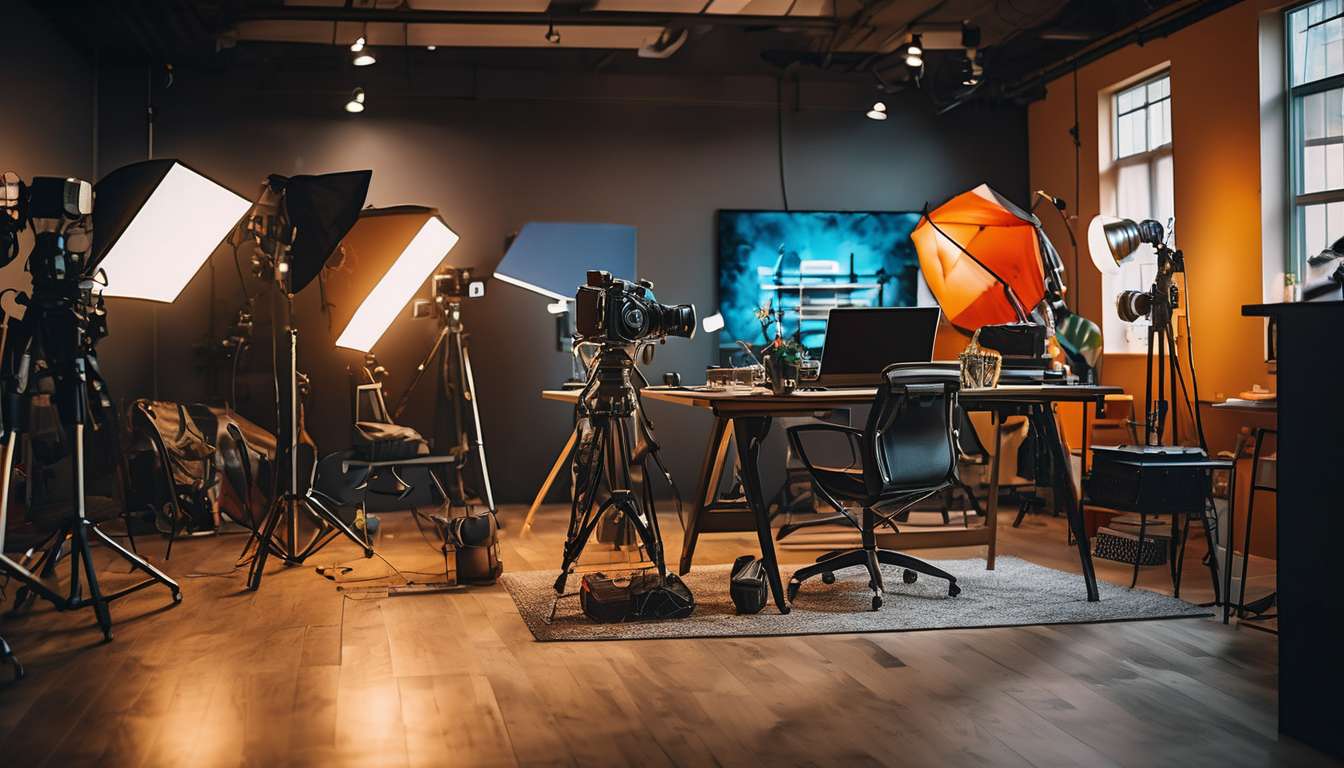
Viral short-form platforms and shifting subscription behaviors are forcing us to rethink how adult photography studios operate.
As streaming trends accelerate and creators diversify revenue streams, the industry is fragmenting from large houses into nimble, idea-driven microstudios.
Audiences now demand narrative, experimentation, and interactive experiences rather than static poses or predictable tropes.
That demand pushes studios to innovate by merging cinematic techniques, bespoke storytelling, and cross-platform collaborations.
- Studios are adopting guerrilla marketing to cut costs and boost visibility.
- Many commission multidisciplinary teams (photographers, directors, writers, editors, social strategists).
- Cross-platform approaches combine short-form, subscription content, and one-off premium releases.
Studios must innovate while grappling with tighter budgets and evolving regulations.
- Budget constraints force leaner production workflows and multifunctional crews.
- Regulatory shifts impact distribution, performer contracts, and content moderation policies.
Producers are leveraging community feedback and creative competition to stay relevant.
- Community-driven content informs creative choices and strengthens loyalty.
- Collaborative projects and creator networks enable faster idea testing and iteration.
This transition reshapes production workflows, rights management, and performer agency.
- Production workflows: shorter cycles, modular shoots, and emphasis on repurposable assets.
- Rights management: flexible licensing, clearer performer ownership terms, and platform-specific agreements.
- Performer agency: more negotiation power for talent as alternative monetization channels proliferate.
In this article we examine how creative competition is rewriting the rules of the adult photography studio market, highlight emerging business models, and consider what sustainable success looks like for studios navigating this fast-changing landscape.
- Emerging models include microstudios, creator-aggregator partnerships, tiered subscriptions, and event-driven premium drops.
- Sustainable success hinges on adaptability, transparent rights practices, community engagement, and diversified revenue streams.
Market Forces Driving Change
We’re seeing several market forces reshape how adult photography studios compete. Technology shifts, changing consumer preferences, and regulatory pressure are combining to change the landscape, and studios must adapt to remain viable.
Microstudios are no longer outliers; they’re partners in a broader ecosystem. Creator monetization strategies now tie talent, platforms, and studios more closely together, creating opportunities for collaboration and shared expertise.
We’re exploring licensing models that balance creator rights with studio sustainability.
-
- Draft clearer agreements that let creators earn directly while allowing studios to retain distribution pathways.
-
- Prioritize transparent, predictable revenue splits so creators understand what they will earn.
-
- Build licensing terms that protect both creator IP and studio investments.
As a community, we’re prioritizing transparency and accessible tools. Newer creators should feel welcomed rather than squeezed out, so we’re providing resources and systems that make participation fair and straightforward.
We’re investing in training and infrastructure to help teams navigate compliance without sacrificing creativity. Clear processes and education help studios meet regulatory requirements while maintaining production quality.
By aligning incentives, we create a more resilient market. Creators earn fairly, studios safeguard quality, and platforms enforce standards — together fostering belonging and mutual success.
We’re intentional about building practices that let everyone thrive, not just survive. Collaborative approaches, shared expertise, and sustainable business models are central to lasting industry health.
Rise of Microstudios
More small-scale studios are launching with lean teams and flexible workflows.
This lets us partner directly with creators and respond quickly to niche demand.
Microstudios cultivate close-knit communities where everyone feels seen:
- photographers
- models
- editors
- fans
These groups collaborate in honest, accountable ways.
We lean into transparent creator monetization paths that reward contributors fairly:
- subscription options
- tipping
- one-off purchases
This blended approach lets people pick what fits them.
We experiment with straightforward licensing models that clarify:
- rights
- revenue splits
- reuse terms
Clear licensing builds trust and makes creators feel safe sharing work.
By keeping operations small, we move fast on:
- tailored shoots
- community feedback
- ethical practices
We maintain quality while acting quickly.
We prioritize respectful communication and shared goals, turning clients into partners and followers into supporters.
In this tighter, purpose-driven landscape, microstudios aren’t just competitors; they’re communities where creativity and commerce align and belonging drives sustainable growth for everyone involved.
Short-Form Strategy Shifts
We’re shifting more resources into short-form content to meet audiences’ shrinking attention spans and boost discovery across social platforms.
Bite-sized storytelling helps microstudios stand out, so we’re designing formats that showcase talent fast while keeping production lean.
We’re aligning edits, sets, and release cadences so creators and crews feel supported and part of a shared mission.
We’re rethinking creator monetization in short-form cycles:
- Tipping provides immediate, direct rewards to creators.
- Paid clips let creators monetize standout moments.
- Micro-subscriptions offer recurring small payments for committed fans.
We keep licensing models simple and transparent so creators know how clips can be reused across promos, compilations, or archives without surprise claims.
That clarity builds trust and strengthens our community of makers and fans.
We’ll continue iterating based on platform signals and creator feedback, keeping teams nimble and connected.
Our aim is to create belonging through consistent, respectful short-form work that rewards talent and sustains creative partnerships.
Cross-Platform Monetization
Goal: Build a coordinated cross-platform monetization strategy that lets creators earn predictably from tips, paid clips, subscriptions, and direct sales while minimizing friction and platform-specific surprises.
Map income streams across platforms.
- Identify where subscriptions outperform tip revenue and when paid clips drive one-time spikes.
- Highlight platform-specific behaviors and seasonal effects that change revenue mix.
Standardize pricing and metadata.
- Create pricing bands to reduce buyer confusion.
- Standardize metadata (titles, tags, descriptions) to simplify discovery and payout tracking.
Adopt flexible licensing models.
- Offer tiered usage rights so customers can purchase usage without undermining subscription value.
- Document rights clearly (licenses, restrictions, transferability) to protect creator monetization over time.
Prioritize community and retention tools.
- Bundle offers, loyalty discounts, and member-only drops to reinforce belonging and steady revenue.
- Use community-first perks to reduce churn and increase lifetime value.
Test funnels and iterate on conversion.
- Measure conversion rates for each funnel variation.
- Track churn and revenue per user for direct sales, recurring plans, and microtransactions.
- Iterate on the best-performing combinations.
Share templates and dashboards.
- Provide reporting dashboards and templates across teams so creators can replicate what works.
- Ensure tools help creators stay resilient to platform policy changes and track revenue reliably.
Audience focus and rollout.
- Tailor playbooks for solo creators, collaborative teams, and microstudios.
- Offer starter templates plus advanced setups for scale.
Outcome: Replicable, low-friction income paths that combine one-time and recurring revenue, transparently documented rights, and shared tooling so creators maintain predictable earnings despite platform variability.
Creative Competition Tactics
We will proactively test creative competition tactics that boost visibility and revenue without eroding our subscriber base.
We will pilot collaborative drops with microstudios to share audiences and pool production resources while keeping each brand’s voice intact.
We will rotate limited-time bundles and themed series to create urgency.
- Coordinate release windows so members feel included rather than overwhelmed.
We will experiment with tiered offers that align creator monetization with community perks.
- Loyal supporters receive behind-the-scenes content, early releases, and interactive sessions.
- Use transparent performance metrics so contributors see how campaigns drive income, fostering trust and shared purpose.
We will run soft A/B tests on pricing and messaging to refine what resonates.
- Share learnings across teams to strengthen our collective approach.
We will explore flexible licensing models for non-exclusive content swaps that expand reach without ceding control.
- Always prioritize consent and clear terms.
Together, we will iterate on tactics that grow our market presence while keeping community and sustainability at the center.
Rights and Licensing Models
We will define clear, fair rights and licensing terms that let us expand reach through non-exclusive swaps, limited-time bundles, and partner drops while protecting creators’ control and consent.
We will craft licensing models that balance studio needs and performer autonomy so everyone feels respected and invested.
We will standardize tiered licenses — exclusive, shared, time-limited — to make revenue splits transparent and predictable, supporting creator monetization while keeping collaborations fluid.
We will prioritize consent-driven clauses, easy opt-outs, and resale restrictions to maintain trust across microstudios and larger networks.
We will offer bundled packages for cross-promotion with clear attribution rules, and flexible add-ons for merchandising or remixes so partners can experiment without overreaching.
We will provide simple reporting and royalty dashboards so our community sees earnings grow and understands how licensing choices affect income.
Together, we will build licensing models that encourage collaboration, protect rights, and increase sustainable creator monetization across the evolving adult photography studio landscape.
Performer Empowerment Trends
We’ll prioritize trends that give performers more control over pricing, content distribution, and contractual terms so they can build sustainable careers on their own terms.
More performers are joining microstudios and cooperatives that offer shared resources while leaving pricing power and release decisions to talent.
We’re committed to practices that center transparent creator monetization:
- Tiered subscriptions — clear levels with predictable benefits and revenue splits.
- Direct tips — immediate, creator-directed income.
- A la carte sales — pay-per-item options that make revenue shares transparent.
We’re refining licensing models to let performers choose duration, territory, and usage, reducing one-size-fits-all contracts that once eroded control.
We’re fostering peer networks and mentorships that normalize bargaining for recuts, exclusivity windows, and buyback clauses.
We’ll push for standardized contract templates and education so newcomers feel supported and veteran creators can scale without losing autonomy.
We believe these shifts create a more inclusive market where performers feel empowered, maintain creative ownership, and collaborate confidently with studios that respect their long-term careers.
Sustainable Studio Operations
Operational priorities: We’ll prioritize operational choices that cut waste, stabilize cash flow, and protect both performers and staff so studios can operate profitably and ethically long-term.
Efficient space & scheduling: We’ll embrace efficient scheduling, shared gear pools, and modest, energy-conscious spaces that let microstudios thrive without sacrificing quality.
Transparent pay structures: We’ll build transparent pay structures tied to creator monetization, ensuring performers see consistent revenue and understand how sessions convert to earnings.
Clear licensing models: We’ll adopt clear licensing models that respect creators’ rights while enabling repeatable revenue streams for the studio — straightforward contracts, defined usage windows, and fair buyouts.
Financial controls & resilience: We’ll centralize bookkeeping, forecast conservatively, and keep emergency reserves so we’re resilient through seasonal slowdowns.
Safety, consent & wellbeing training: We’ll invest in training around safety, consent, and mental health to keep our team supported and reduce turnover costs.
Cooperative practices: We’ll encourage cooperative practices — revenue-sharing, community marketing, and pooled resources — so smaller teams feel included and competitive.
Measurement & continuous improvement: We’ll measure outcomes, iterate on processes, and share successes, because sustainability comes from practical choices that protect people and promise steady creative livelihoods.
How are local zoning laws and neighborhood opposition affecting where adult photography studios can legally operate?
Local zoning laws and neighborhood opposition limit where adult photography studios can legally operate.
Specific use restrictions, buffer requirements from schools and churches, and permitting hurdles push studios into industrial zones or remote areas.
Hearings and community concerns are common and require proactive responses.
To secure permits and build trust, you’ll need:
- Legal guidance — to interpret zoning codes, prepare permit applications, and handle appeals.
- Community outreach — to address neighbor concerns, explain operations, and reduce opposition.
- Careful site selection — to find parcels that meet setback/buffer requirements and minimize conflict.
- Responsible operations — to demonstrate compliance, safety, and inclusivity during hearings and in practice.
What specific insurance policies and liability protections should studio owners carry to cover shoots, performers, and clients?
Insurance and liability protections studio owners should carry
General liability insurance to cover claims for bodily injury and property damage that occur on the premises.
Professional liability (errors & omissions) to protect against claims arising from professional services, advice, or alleged mistakes in project delivery.
Commercial property insurance to insure the studio building, fixtures, and contents against fire, theft, and other covered perils.
Workers’ compensation or performer-specific injury policies to cover medical costs and lost wages if staff or performers are injured during a shoot.
Sexual misconduct coverage to provide protection and defense for allegations of sexual abuse or misconduct by staff or third parties.
Inland marine insurance to cover cameras, lighting, and other portable gear while in transit or on location.
Cyber/privacy insurance to protect against data breaches, loss of client/performer personal information, and related liabilities.
Contractual and procedural protections
Signed model releases from performers to secure rights to use images/video and reduce disputes over image use.
Indemnity clauses in client and vendor contracts to allocate risk and require one party to defend and hold harmless the other for certain claims.
Clear safety protocols (on-set safety rules, emergency procedures, COVID/health policies, and equipment handling guidelines) to reduce accidents, document reasonable care, and foster trust among performers, staff, and clients.
How do tax considerations and business structures (LLC, S-Corp, sole proprietorship) impact studio profitability and legal exposure?
We’ll weigh tax and structure choices by liability, taxes, and growth goals.
Limited Liability Company (LLC):
- Key benefit: Limits personal exposure.
- Tax flexibility: Can be taxed as a disregarded entity, partnership, C‑Corp, or elect S‑Corp status.
- Consideration: Electing S‑Corp can reduce self‑employment taxes but introduces payroll requirements and additional administrative burdens.
Sole Proprietorship:
- Key benefit: Simple to form and maintain.
- Downside: Owner is personally liable for business obligations.
- Risk: May increase audit exposure compared with formal entities.
Tax and compliance factors to factor in:
- State taxes: Vary by state and can materially affect after‑tax results.
- Deductible expenses and depreciation: Properly tracking and optimizing these reduces taxable income.
- Payroll filings: Required if you run payroll (including for S‑Corp owner‑employees); increases compliance costs.
Objective: Maximize after‑tax profit while protecting owners and preserving business credibility.
Conclusion
You’re seeing how creative competition is reshaping the adult photography studio market: microstudios and short-form strategies force faster experimentation, cross-platform monetization diversifies revenue, and new rights and licensing models put performers’ agency front and center.
You’ll need to balance creative risk with sustainable operations: adopt flexible business models that allow rapid testing but preserve cash flow and resource limits.
Prioritize fair contracts and performer empowerment: ensure transparent rights, revenue shares, and licensing terms so talent retains agency and long-term incentives.
Embrace collaboration to stay competitive and resilient:
- Partner with creators, platforms, and other studios to share audiences and reduce single-channel dependence.
- Iterate on content formats and distribution to capture short-form attention while maintaining premium offerings.
- Use data-driven experiments to scale what works and quickly sunset underperforming concepts.